
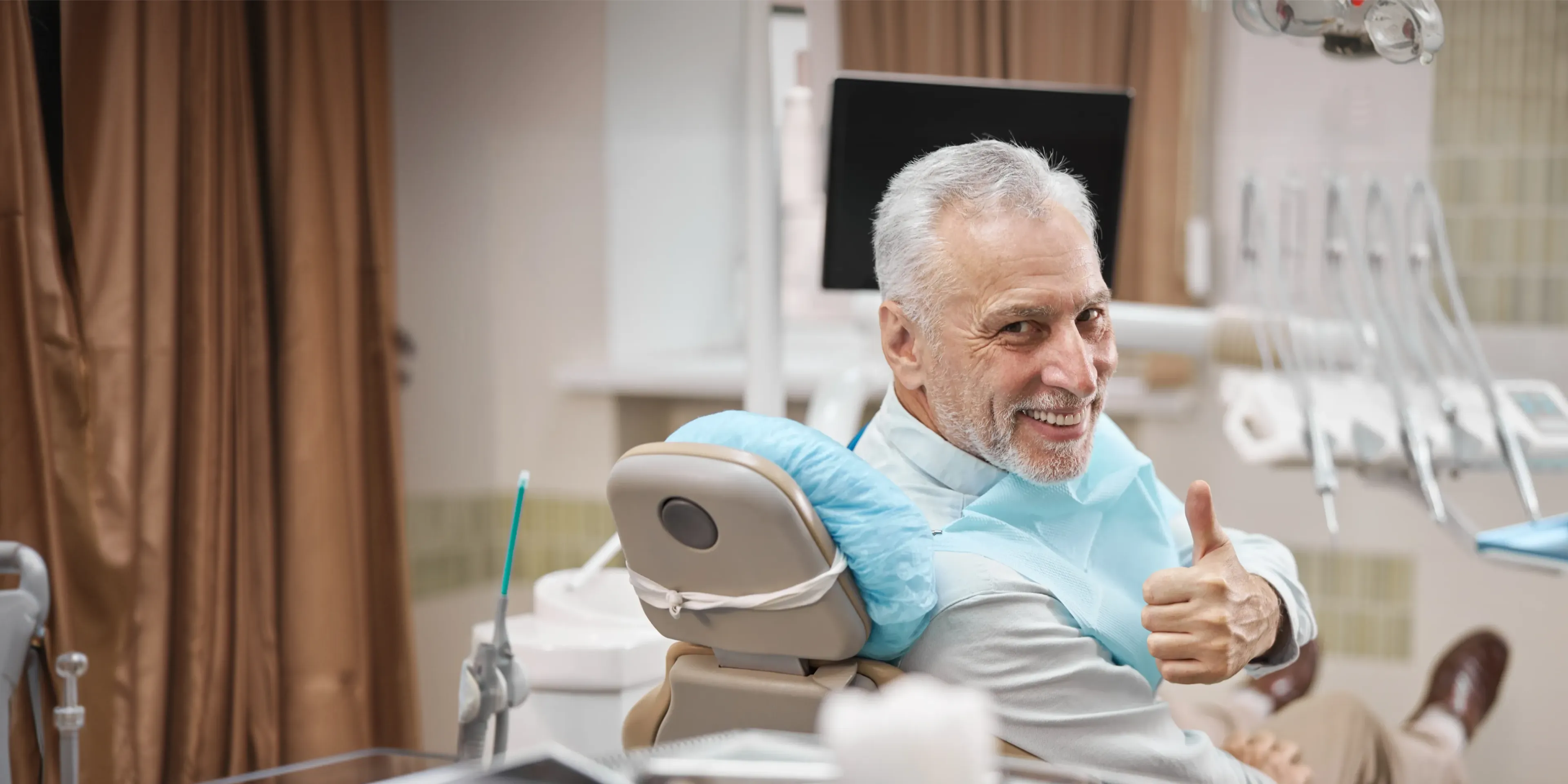
Dental Implants in El Paso
Find Out If Dental Implants Are Right for You
Missing a tooth and not sure where to start? Take our two-minute quiz to find out if you're a candidate for dental implant treatment and get one step closer to a complete, confident smile.

The Closest Thing to a Real Tooth
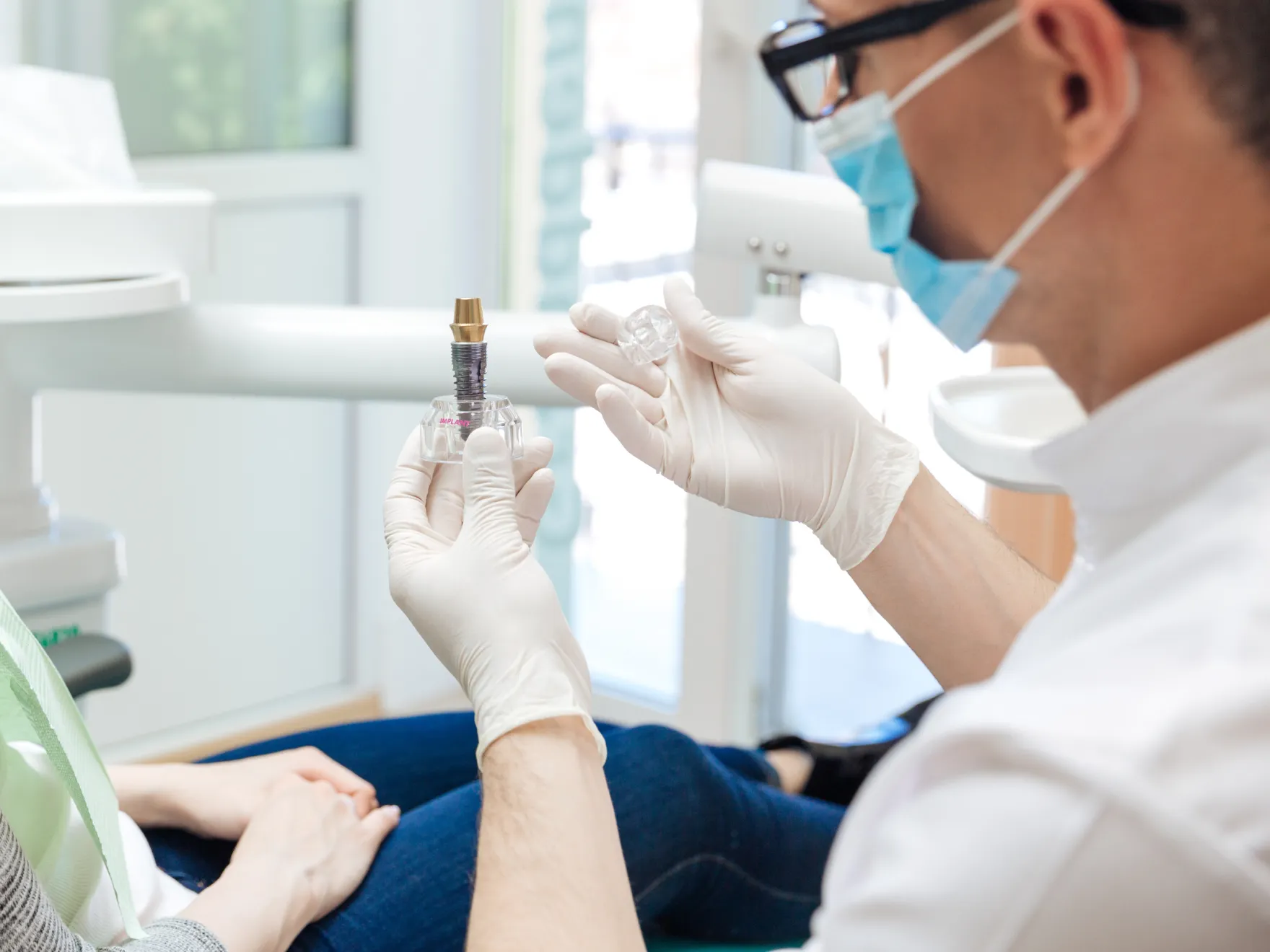
A dental implant replaces a missing tooth at every level, including the root. That makes it the most complete tooth replacement option available, and the one most likely to protect your oral health for decades to come. At Americas Family Dental, we coordinate your entire implant process, from your initial consultation through your final restoration, so you always have a team in your corner who knows your case.

They Work Like Natural Teeth
Implants are anchored directly into the jawbone, which means they function the same way a natural tooth root does. You chew normally, brush and floss normally, and never have to think about your tooth the way you would with a removable option.
They Protect Your Jawbone
Every other tooth replacement option sits on top of the gum. An implant goes into the bone, which is what keeps the bone stimulated and healthy. Without that stimulation, the jaw begins to shrink in the area of a missing tooth. An implant is the only replacement that stops that process.

They're Built to Last
With proper care, a dental implant can last a lifetime. The crown or denture that attaches to it may need to be replaced over time due to normal wear, but the implant itself is a long-term investment in your oral health, not a short-term fix.
We Take Your Insurance

Single Implants vs. Implant-Supported Dentures
Not every implant case looks the same. The right solution depends on how many teeth you're missing and what your jawbone can support.
Single implant with a crown is the right fit if you are:
- Missing one tooth
- Looking for a permanent, non-removable solution
- Interested in a restoration that functions and looks exactly like a natural tooth
Implant-supported dentures are worth exploring if you are:
- Missing several teeth or a full arch
- Frustrated with traditional dentures that shift, slip, or require adhesive
- Looking for a more stable, secure fit that stays in place when you eat and speak
During your consultation, your dentist will evaluate your bone density, the number of missing teeth, and your overall oral health to determine which approach makes the most sense for your situation. If you're not sure which category you fall into, that's exactly what the consultation is for.
Are You a Candidate?
Most adults in good general health are candidates for dental implants. A few factors can affect eligibility:
Bone density matters.
The implant needs enough healthy bone to anchor into. If bone loss has occurred, a bone graft may be needed before implant placement. We offer bone grafting in-house if that step is required.
Gum health matters.
Active gum disease needs to be treated before implant surgery can take place.
Certain health conditions and medications.
Can affect healing and implant success. Your dentist reviews your health history in full at your consultation and gives you an honest assessment of your candidacy.
If implants aren't the right fit right now, we'll tell you that and walk you through what other options are available.



How the Dental Implant Process Actually Works
Getting a dental implant involves two distinct phases, and we coordinate both.
Surgery
The surgical phase is performed by a trusted oral surgeon in our network. Here's what happens:
- A small titanium post is placed into your jawbone where the missing tooth was
- Titanium is biocompatible, meaning your body accepts it naturally and bonds with it over time
- Over the following months, the implant fuses with the surrounding bone, creating a stable, permanent anchor for your new tooth
Restoration
Once healing is complete, you come back to our office for the part that finishes your smile:
- We attach a custom crown for a single missing tooth, or an implant-supported denture for multiple missing teeth
- Your restoration is designed to match the shade, shape, and size of your surrounding teeth
- The result looks, feels, and functions like the real thing
Working with a specialist for the surgical step means you're getting the right level of expertise at every stage. We stay involved throughout so nothing falls through the cracks and you always have a team who knows your case.
Dental Care That Puts Your Family First

Compassionate, Honest Dentistry
We treat every patient with respect and integrity, never rushing care and always recommending what’s truly best for your health.
Flexible Financing & Insurance Help
We accept most major insurance plans and offer financing options like Cherry to help families stay within budget.


Complete Family Dentistry
Most treatments are performed right here in our office, and when specialty care is needed, we coordinate within our network for a smooth experience.
We’re Here to Help, Not Judge
Life happens. We meet you where you are with compassionate care, honest recommendations, and clear answers, always.

Frequently Asked Questions
What happens if I wait to replace a missing tooth?
The longer a tooth goes unreplaced, the more the surrounding bone shrinks and the more neighboring teeth drift out of position. This can make implant placement more complicated and may require a bone graft that wouldn't have been necessary if treatment had started sooner. If you're considering an implant, getting an evaluation sooner rather than later keeps your options as simple as possible.
Does insurance cover dental implants?
Coverage varies significantly by plan. Some insurance plans cover a portion of implant treatment, particularly the crown or restoration. Others cover little to none of it. Our team will verify your benefits before your consultation so you have a clear picture of your out-of-pocket costs. Cherry Financing is also available to help spread the cost over time.
Is the oral surgeon part of your practice?
The surgical phase of implant treatment is performed by a trusted oral surgeon we work with closely. We coordinate your care between both offices so your treatment plan stays consistent and nothing gets lost in the handoff. You'll always have our team available to answer questions throughout the process.
How long does an implant last?
The implant post itself is designed to last a lifetime with proper care. The crown or denture attached to it typically lasts 10 to 20 years before it may need to be replaced due to normal wear. How long yours lasts depends on your oral hygiene habits and how well you maintain regular dental visits.
How do I care for an implant?
The same way you care for natural teeth. Brush twice a day, floss daily, and keep up with your regular checkups. The implant itself can't decay, but the gum tissue around it still needs to be kept clean to prevent infection. Your dentist will walk you through any specific care instructions at your restoration appointment.
Can implants support dentures?
Yes. Implant-supported dentures are a popular option for patients who are missing multiple teeth or an entire arch. They attach to a small number of implants for a secure, non-removable fit that's far more stable than traditional dentures. Your dentist will help you determine how many implants are needed based on your situation.
What if I don't have enough bone for an implant?
Bone loss is common after a tooth has been missing for a while. If your bone density isn't sufficient for implant placement, a bone graft can rebuild the area before surgery. We offer bone grafting in-house, so that step doesn't require an additional referral.
What's the difference between a crown on an implant and a regular crown?
A regular crown is placed over a natural tooth that has been reshaped to support it. An implant crown attaches to the implant post rather than a natural tooth, but it looks and functions exactly the same way. The difference is what's underneath it.
How long does the whole process take?
From consultation to final restoration, the implant process typically takes between three and six months. Most of that time is the healing period between surgery and your restoration appointment. The actual number of visits involved is smaller than most people expect.
Does getting a dental implant hurt?
The surgical procedure is performed under local anesthesia, so you won't feel pain during the placement. Most patients report that the discomfort afterward is milder than they expected and is manageable with over-the-counter pain relief. Your oral surgeon will give you specific aftercare instructions to make recovery as smooth as possible.
Located in El Paso

Find us at 201 S. Americas Ave, Ste 206, El Paso, TX 79907. We’re next to Academy with free parking, and we offer Saturday appointments and family scheduling to make care easy.

Free on-site parking available. If you need help finding us, call and we’ll guide you in.
Coming from Socorro, San Elizario, Fabens, or Clint? We’re a quick drive and easy to reach.