

Dentures in El Paso
A Full Smile That Works for Your Life
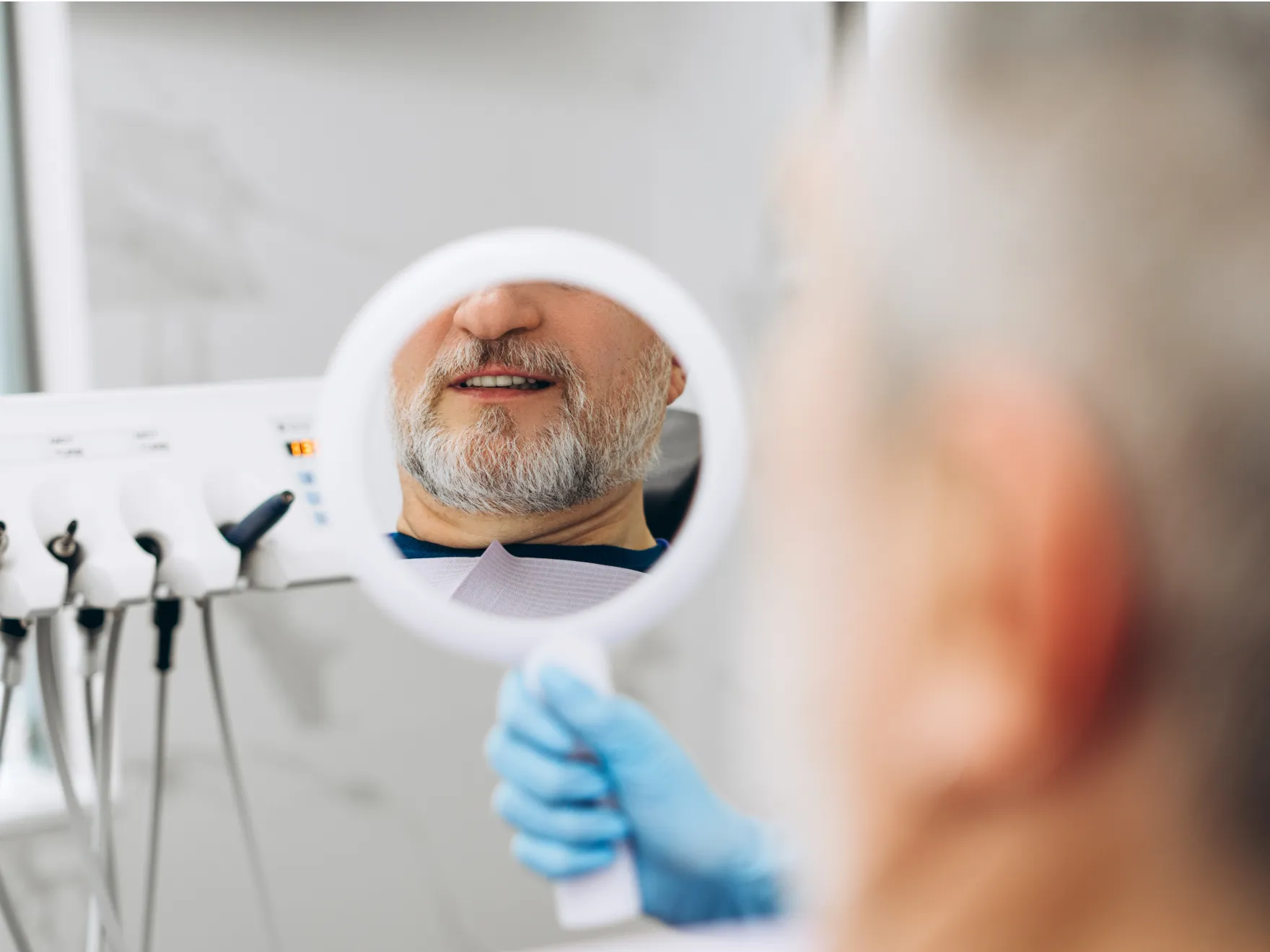
Losing multiple teeth affects more than your appearance. It changes how you eat, how you speak, and how you feel in everyday conversations. Dentures restore the function and confidence that missing teeth take away, and today's options are more comfortable, more natural-looking, and more stable than most people expect.

You Get Your Function Back
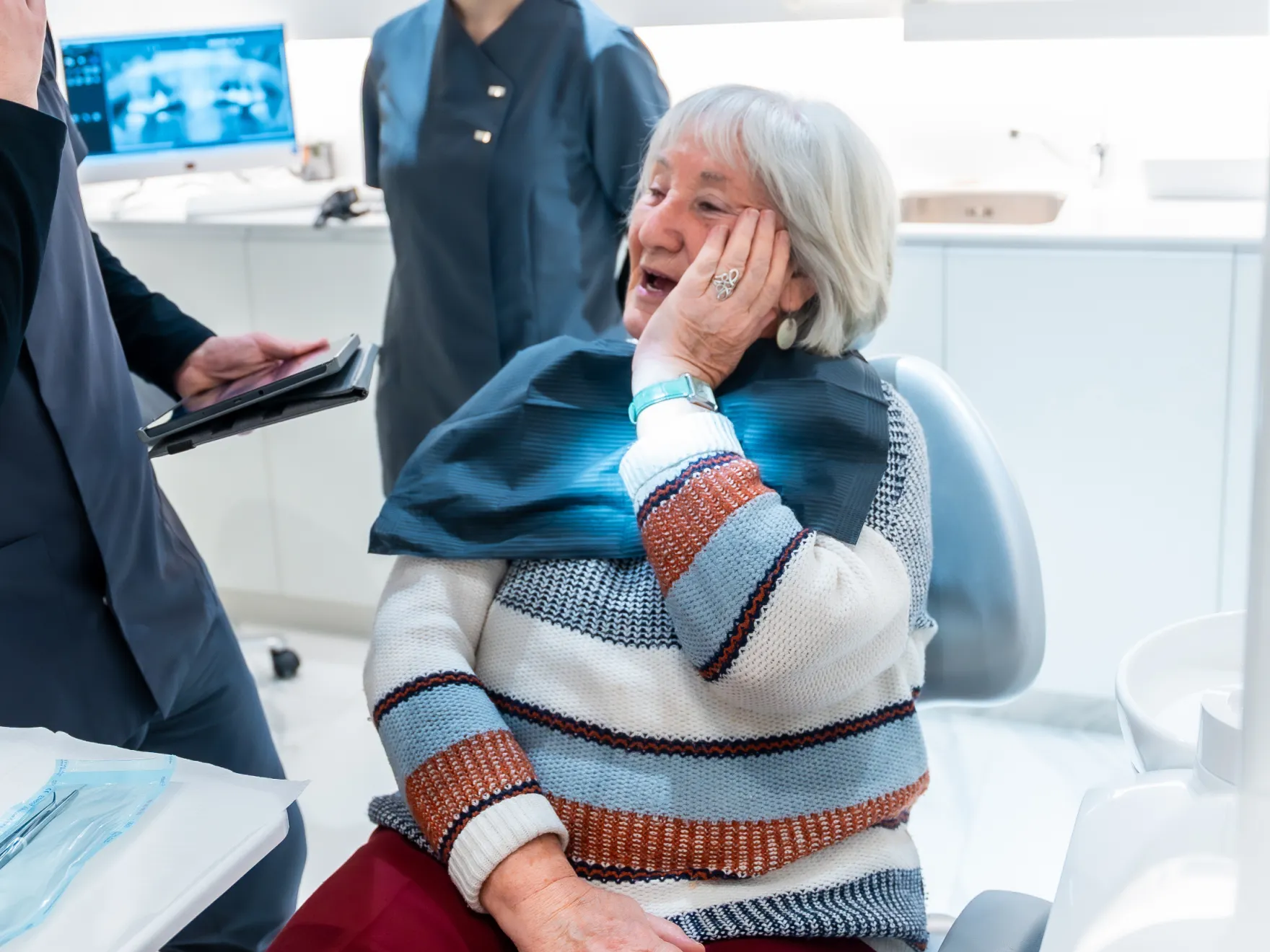
Missing teeth make it hard to chew the foods you enjoy and can affect how clearly you speak. Dentures restore both. Once you're fitted and adjusted, most patients are surprised by how much easier daily life feels compared to managing with gaps or failing teeth.
Your Face Keeps Its Shape
Teeth and their roots support the structure of your jaw and face. When multiple teeth are lost, the jawbone begins to shrink and the cheeks and lips can appear sunken. Dentures fill that space and support your facial structure so your appearance stays consistent with how you've always looked.
You Have Options That Fit Your Situation
Not every patient needs the same solution. Whether you're missing all of your teeth, most of them, or just several in a row, there's a denture option designed for your specific situation. Our team takes the time to understand your needs, your budget, and your goals before making a recommendation.
We Take Your Insurance

Full Dentures vs. Partial Dentures
The right type of denture depends on how many teeth you're missing and the health of the teeth that remain.
Full Dentures
Full dentures replace an entire upper or lower arch and are recommended when all or nearly all teeth on that arch are missing or need to be removed. They rest on the gumline and are held in place by natural suction, a good fit, and denture adhesive if needed.
Partial Dentures
Partial dentures fill the gaps left by several missing teeth while the remaining natural teeth are still healthy enough to stay. They attach to surrounding teeth with small clasps and are removable for cleaning. A partial also prevents the remaining teeth from drifting into the spaces left by missing ones.
During your consultation, your dentist will evaluate your mouth and walk you through which type fits your situation and why.
Traditional Dentures vs. Implant-Supported Dentures
Traditional dentures are removable and rest on the gum surface. They're a reliable, accessible solution for most patients and can be made to fit well with proper adjustment.
Implant-supported dentures attach to a small number of dental implants placed in the jawbone. They don't rely on suction or adhesive to stay in place, which means a more secure fit, better chewing function, and no risk of slipping when you talk or eat. They also help preserve the jawbone in a way that traditional dentures can't.
If you've had a difficult experience with traditional dentures in the past or want the most stable option available, implant-supported dentures are worth discussing at your consultation.
What to Expect During the Adjustment Period
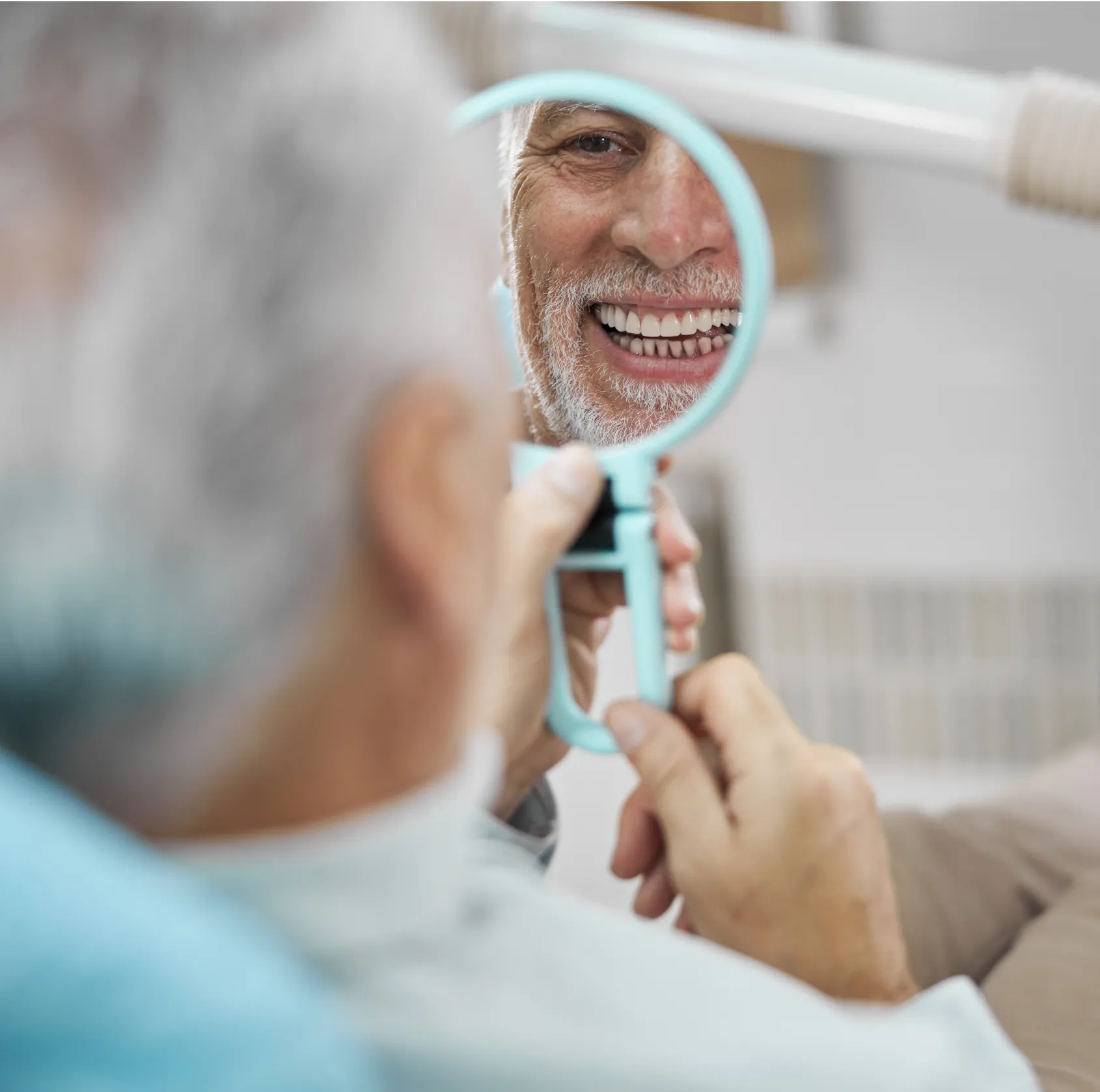
New dentures take some getting used to. That's normal and expected. Here's what most patients experience in the first few weeks:
- Mild soreness in the gums as they adjust to the pressure of the denture
- Increased saliva production that settles down within a few days
- Minor changes in speech that resolve quickly as your mouth adjusts
- A learning curve with eating that improves as you get comfortable
We schedule follow-up appointments after your dentures are placed specifically to check your fit, address any sore spots, and make adjustments. You're not on your own during this period.




What to Expect When You Get Dentures
Your Consultation and Exam
Your dentist examines your mouth, reviews your X-rays, and evaluates the health of any remaining teeth and your jawbone. You discuss your goals, your concerns, and which type of denture fits your situation. If any teeth need to be removed before dentures can be placed, that's planned and discussed at this appointment.
Extractions, If Needed
If remaining teeth need to be removed, we handle extractions in-house. Once healing is complete, your gum tissue is ready to be measured for your new dentures. In some cases, immediate temporary dentures can be placed right after extraction so you're never without teeth during the healing period.
Impressions and Measurements
Your dentist takes precise impressions of your gums and measures the dimensions of your jaw to ensure your denture fits accurately. These measurements are sent to a dental lab where your custom dentures are fabricated.
Try-In Appointment
Before your final denture is finished, you may come in for a try-in appointment with a wax model of the denture. This lets your dentist check the fit, bite, and appearance and make any adjustments before the final version is made.
Receiving Your Dentures
Your finished dentures are placed and your dentist checks the fit carefully. You'll receive clear instructions on how to insert and remove them, how to clean them, and how to care for your gums underneath.
Follow-Up and Adjustments
We schedule follow-up appointments after placement to check how the dentures are settling and make any refinements to the fit. Small adjustments are completely normal and are part of making sure your dentures feel as comfortable as possible.
Dental Care That Puts Your Family First

Compassionate, Honest Dentistry
We treat every patient with respect and integrity, never rushing care and always recommending what’s truly best for your health.
Flexible Financing & Insurance Help
We accept most major insurance plans and offer financing options like Cherry to help families stay within budget.

Complete Family Dentistry
Most treatments are performed right here in our office, and when specialty care is needed, we coordinate within our network for a smooth experience.
We’re Here to Help, Not Judge
Life happens. We meet you where you are with compassionate care, honest recommendations, and clear answers, always.

Frequently Asked Questions
How long do dentures last?
Traditional dentures typically last five to ten years before they need to be replaced or relined due to normal wear and changes in the shape of your jaw. Keeping up with regular checkups allows us to monitor the fit and recommend adjustments before they become a bigger issue.
Does insurance cover dentures?
Many dental insurance plans cover a portion of denture treatment. Coverage varies by plan and may include a waiting period or a frequency limitation on how often replacements are covered. Our team will verify your specific benefits before your appointment. Cherry Financing is also available to help make the cost manageable over time.
Are implant-supported dentures really that much better?
For the right patient, yes. They stay in place without adhesive, allow for stronger chewing function, and help preserve the jawbone in a way traditional dentures can't. The tradeoff is a more involved process and higher upfront cost. Whether they're worth it depends on your priorities and your oral health. Your dentist will give you an honest comparison at your consultation.
Can dentures be repaired if they break?
In many cases, yes. If your denture cracks, chips, or a tooth breaks off, call our office. Depending on the damage, it may be repairable. Avoid trying to glue a broken denture back together at home, as this can make professional repair more difficult.
What if my dentures feel loose over time?
This is common and happens because the jawbone gradually changes shape after teeth are lost. Loose dentures should be addressed promptly because they can cause sore spots and make eating difficult. A reline or adjustment can restore the fit. Don't try to fix loose dentures with over-the-counter adhesive long-term. Come in and let us assess the fit.
Will dentures affect how I speak?
There's a brief adjustment period during which certain sounds may feel different. Most patients adapt within a few weeks. Practicing out loud at home speeds up the process significantly.
How do I clean my dentures?
Remove your dentures and rinse them after eating. Brush them daily with a soft brush and denture cleaner, not regular toothpaste, which is too abrasive. Soak them overnight in a denture solution to keep them from drying out and losing their shape. Your dentist will walk you through a complete care routine at your placement appointment.
Can I sleep with my dentures in?
Most dentists recommend removing your dentures at night. This gives your gum tissue time to rest and reduces the risk of bacterial buildup. Your dentist will give you specific guidance based on your situation.
Will my dentures look natural?
Yes. Modern dentures are designed to look like natural teeth and gums. Your dentist works with you on the shape, size, and shade of your new teeth so the result is realistic and proportional to your face. Most patients feel confident in their appearance once they've adjusted to wearing them.
How long does it take to get dentures?
From your initial consultation to receiving your finished dentures, the process typically takes a few weeks, depending on whether extractions are needed and how much healing time is required. Your dentist will give you a specific timeline at your first appointment.
Located in El Paso

Find us at 201 S. Americas Ave, Ste 206, El Paso, TX 79907. We’re next to Academy with free parking, and we offer Saturday appointments and family scheduling to make care easy.

Free on-site parking available. If you need help finding us, call and we’ll guide you in.
Coming from Socorro, San Elizario, Fabens, or Clint? We’re a quick drive and easy to reach.